

Thornton Heath hedge cutting pros serving CR7 and CR0
Posted on 19/10/2026
Thornton Heath hedge cutting pros serving CR7 and CR0: a practical guide for tidier, healthier gardens
If your hedge has started to look a bit wild around the edges, you are not alone. In Thornton Heath, where gardens can be compact, front boundaries are close to the pavement, and privacy matters a lot, proper hedge cutting makes a noticeable difference fast. Thornton Heath hedge cutting pros serving CR7 and CR0 help homeowners and landlords keep hedges neat, healthy, and under control without the stress of tackling awkward heights, uneven growth, or the odd thorny surprise.
Good hedge work is not just about a sharper look. It can improve light, protect paths and fences, reduce neighbour disputes, and keep plants growing in the right shape for the long run. In this guide, we will break down how hedge cutting works, who it suits, what to watch out for, and how to get better results whether you are tidying a small front hedge or managing a larger boundary line. And yes, a few practical little things along the way that people often miss.
Why Thornton Heath hedge cutting pros serving CR7 and CR0 Matters
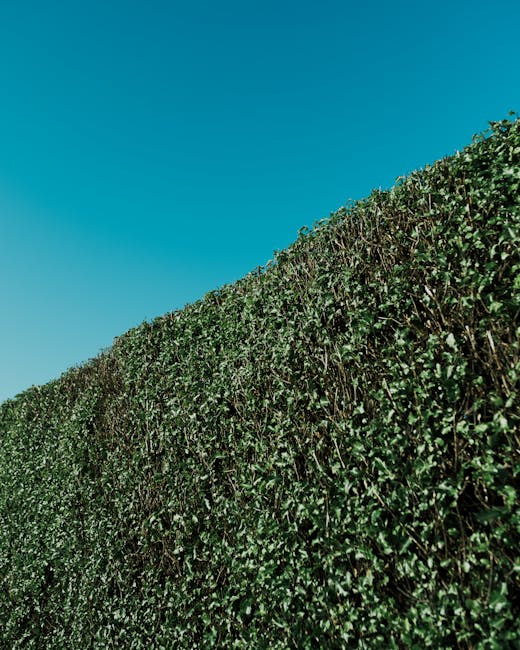
Hedges do a lot of quiet work. They frame a garden, soften hard boundaries, screen a patio, and make even a modest outdoor space feel more private. But they also grow. Sometimes quickly. In Thornton Heath, with its mix of terraced homes, side returns, and narrow front gardens, a hedge that is left too long can start to spill over paths, block windows, and look messy from the street before you really notice it.
That is where local hedge cutting makes sense. A professional who understands the CR7 and CR0 patch is usually better placed to judge access issues, boundary lines, seasonal growth, and the practical quirks of small London gardens. You want more than a quick chop. You want a cut that keeps the hedge healthy, keeps the outline clean, and fits the space it lives in.
There is also a neighbourly side to this. Let's face it, nothing starts a garden grumble quite like overhanging branches or a hedge creeping over the pavement. A neat cut can prevent awkward conversations later. Not every job needs a major reshaping, but every hedge benefits from a bit of attention before it becomes a problem.
If you are planning broader garden improvements as well, it can be sensible to think beyond the hedge alone. Services like ongoing garden maintenance in Croydon or general gardening services in Croydon can keep the whole space under control rather than treating each border as a separate battle.
How Thornton Heath hedge cutting pros serving CR7 and CR0 Works
In practice, hedge cutting is a mix of assessment, shaping, cutting, and finishing. The exact process depends on the hedge species, how overgrown it is, and whether the aim is a light trim or a more serious restoration. A sensible pro will normally start by looking at the hedge from both sides where possible, checking for uneven growth, dead patches, nesting birds, and access constraints.
Then comes the cut itself. For a tidy hedge, the goal is usually to keep the top slightly narrower than the base so light reaches the lower growth. That little taper matters more than many people think. A hedge cut like a brick wall can look sharp for a moment, but it often shades itself out over time. Nature likes a bit of breathing room.
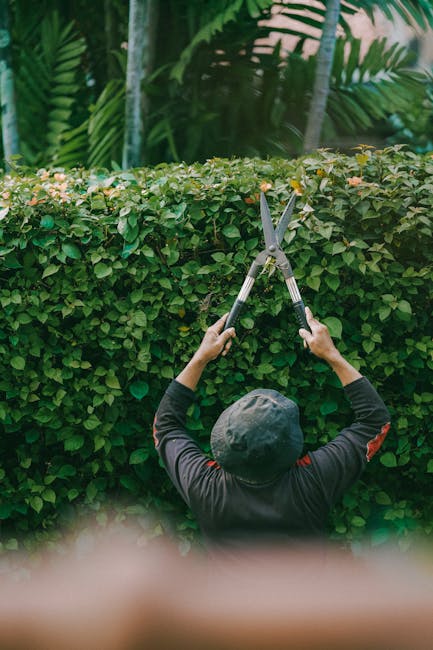
Depending on the hedge, the work may involve hand shears for precision, hedge trimmers for longer runs, or a combination of both. Finishing usually includes clearing clippings, checking the line, and looking at any adjoining issues such as hidden weeds, damaged stems, or nearby fencing. For larger or more mature hedges, extra care may be needed around thicker branches, which is where tree-related expertise can come into play. If branches are getting substantial, tree surgery support in Croydon may be relevant alongside the hedge work.
For homeowners who want a very specific finish, it helps to discuss the desired shape before cutting starts. A formal box hedge, for example, needs a very different approach from a looser privacy hedge. That sounds obvious, but it is one of those details that can save a lot of regret later.
Key Benefits and Practical Advantages
There are obvious benefits, and then there are the slightly less obvious ones that tend to show up a few weeks later.
- Better kerb appeal: A crisp hedge makes the whole property look cared for, even if the rest of the garden is still a work in progress.
- Improved privacy: A dense, well-shaped hedge does its job more effectively when it is cut and encouraged properly.
- Healthier growth: Regular trimming helps many hedges stay compact and vigorous rather than leggy and thin.
- More light: Reducing bulk can brighten paths, windows, and shady corners.
- Safer access: Overgrown hedges can narrow pavements, hide hazards, and make garden entry awkward.
- Less stress: Professional cutting avoids the usual ladder wobble, hedge trimmer tangles, and weekend exhaustion.
There is also a longer-term planning benefit. Once a hedge starts being maintained consistently, it becomes easier to predict how much it will need each season. That means fewer dramatic overgrowth surprises and fewer emergency "we need this sorted by Friday" moments. To be fair, those always seem to happen just before a birthday barbecue or a family visit.
And if your garden is evolving in other ways, hedge care can support the bigger picture. A cleaner boundary can make room for landscaping work in Croydon, better lawn edges, or a more usable patio. Once the hedge is behaving, the rest of the garden usually feels calmer too.
Who This Is For and When It Makes Sense
Hedge cutting is useful for more people than you might expect. It is not only for large gardens or visibly overgrown plots. In fact, some of the most common hedge jobs are the smaller ones that just need regular care.
You may need hedge cutting if you:
- own a front garden hedge that is starting to lean over the pavement
- have a privacy hedge that has become patchy or too tall
- rent out a property and need the boundary kept presentable
- want to reduce shade over a lawn or flower bed
- need to restore shape after a missed season or two
- are planning to sell and want the outside to look sharp
It also makes sense if you simply do not have the tools, time, or confidence for the job. A hedge may look simple from the kitchen window. Then you get out there and realise the top is higher than expected, the base is uneven, and the clippings are everywhere. Happens more often than people admit.
For gardens where hedge work needs to sit alongside grass care, it can be useful to pair it with lawn mowing services in Croydon or broader lawn care in Croydon so the whole outdoor space feels finished in one go.
Step-by-Step Guidance
Here is the practical version of how to approach hedge cutting without making a mess of it.
- Inspect the hedge first. Look for dead wood, gaps, bird activity, and areas that have grown faster than others.
- Decide the outcome. Are you after a light tidy, a formal shape, or a reduction in size? The right approach depends on the goal.
- Clear the area. Move pots, tools, toys, and anything fragile away from the hedge line. It saves time and, frankly, saves apologies later.
- Cut with shape in mind. Keep the bottom slightly wider than the top for most privacy hedges so light still reaches the lower growth.
- Work in stages. On bigger hedges, trim a little and step back often. Your eye catches unevenness better from a distance.
- Finish the line. Neaten edges, remove loose shoots, and check the hedge from the street as well as from the garden side.
- Dispose of clippings properly. Don't leave a damp pile sitting there for days. It smells, attracts mess, and makes the garden feel unfinished.
If the hedge is badly overgrown, a staged reduction over more than one visit is often kinder to the plant than a single severe cut. That is especially true for hedges that have been left to run for a while. Restoration is possible, but it needs a gentler hand than a routine trim.
Expert Tips for Better Results
A few small habits make a big difference.
- Trim at the right time for the species: Different hedges respond differently. A quick blanket rule can do more harm than good.
- Check for birds before cutting: In the UK, nesting birds are a serious consideration. If you are unsure, pause and inspect carefully.
- Use the street view test: Stand back at the pavement or driveway. What looks fine up close may look lopsided from a distance.
- Don't chase perfection in one pass: A hedge usually improves with patient shaping, not aggressive trimming.
- Keep tools sharp: Blunt blades tear growth and leave ragged edges that dry out more easily.
One of the simplest expert habits is to cut more often, but less drastically. That rhythm tends to keep hedges dense and manageable. It also makes each visit quicker, which is the sort of thing people appreciate when life is already busy enough.
If you are building a garden plan rather than just fixing a single hedge, you might also find inspiration in articles on hedge trimming shapes and techniques or fast-growing hedges for privacy. Different hedges suit different jobs, and it is worth thinking that through before planting or reshaping.
Common Mistakes to Avoid
Most hedge cutting problems come from rushing. That sounds obvious, but it is true. A bad trim is often the result of trying to finish quickly rather than checking the shape properly.
- Cutting too hard in one go: Heavy reduction can stress the hedge and expose bare sections.
- Ignoring the base: If the bottom is narrower than the top, the hedge can thin out below.
- Forgetting the neighbour side: A hedge may look fine from your garden and still be awkward on the other side.
- Using the wrong tool: A trimmer is not always the answer. Some jobs need hand finishing.
- Not clearing debris: Clippings left in beds can smother plants and make the garden look unfinished.
- Working in poor visibility: Dusk, heavy rain, or a gusty afternoon make precision much harder.
There is also the classic mistake of trimming before checking what else is growing around the hedge. Sometimes the hedge is not the only issue. A tangled boundary might need nearby fencing work in Croydon or a broader tidy-up as part of garden maintenance. Sorted together, it tends to look much more coherent.
Tools, Resources and Recommendations
You do not need a van full of specialist kit for every hedge job, but the right tools matter. Clean cuts are safer for the plant and far easier for the gardener.
Useful tools for hedge cutting:
- hedge trimmer for larger, even stretches
- hand shears for detailed finishing
- loppers for thicker woody stems
- gloves and eye protection
- ladder or platform only where safe and necessary
- tarpaulin or sheet for easier clippings collection
Useful planning resources within the same website:
- essential gardening tools for outdoor work
- first steps for reviving overgrown greenery
- tips for protecting plants from harsh weather
- about the team behind the service
For many people, the real value is not the tool itself but the judgement behind its use. A decent hedge trimmer used carelessly can still leave a poor finish. A careful operator with the right rhythm can make even a tired hedge look respectable again. Small difference, big result.
Law, Compliance, Standards, or Best Practice
Hedge cutting does touch on a few important UK best-practice points. You do not need to become a legal expert, but you should know the basics.
Bird nesting: Hedges can provide nesting sites, so cutting should be approached carefully during bird nesting season. If signs of active nesting are present, work should be delayed or adapted. This is one of those moments where caution is better than speed.
Boundary awareness: If a hedge sits on or near a boundary, it is worth being clear about what belongs to which property before making larger changes. That avoids awkwardness later. Very awkward, sometimes.
Public access: Where hedges overhang pavements or roadside edges, they should not create a hazard or restrict access. Visibility and safe passage matter, especially around corners and narrow frontages.
Safe working practice: Good garden practice means stable footing, suitable eye and hand protection, and not pushing a ladder job beyond what feels genuinely safe. If a hedge is too high or too awkward, the sensible answer is to bring in help rather than improvise.
Waste handling: Clippings should be cleared responsibly. A tidy finish is part of the service, not an optional extra.
Options, Methods, or Comparison Table
Not every hedge needs the same approach. Here is a simple comparison that helps make the decision clearer.
| Method | Best for | Pros | Watch-outs |
|---|---|---|---|
| Light seasonal trim | Healthy hedges with regular upkeep | Quick, neat, encourages dense growth | Needs consistency through the year |
| Shape correction | Uneven hedges or mixed growth | Improves appearance and structure | May take more than one visit |
| Reduction cut | Overgrown hedges that have outgrown the space | Restores proportion and access | Can stress the hedge if cut too hard |
| Mixed boundary work | Hedges close to fences, patios, or lawns | Creates a cleaner overall garden finish | Needs careful planning around nearby features |
If you are weighing up hedge work against other improvements, think in terms of the whole garden rather than a single line of green. A trimmed hedge beside a dusty patio or tired fence can feel half-finished. That is why many people pair hedge work with patio cleaning in Croydon or decking services if they want a broader refresh.
Case Study or Real-World Example
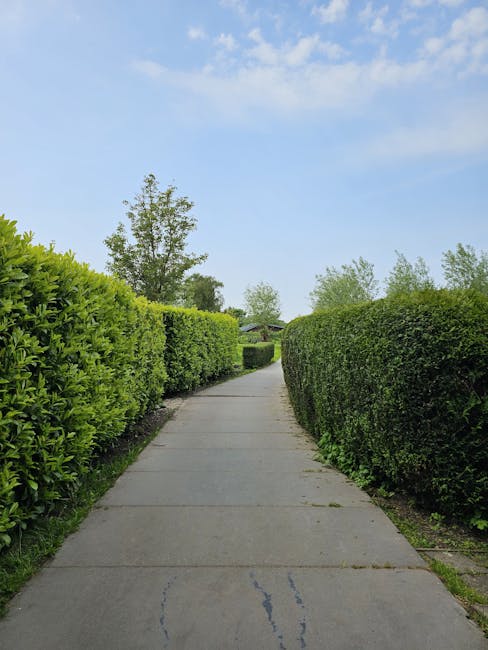
A fairly typical Thornton Heath situation goes like this. A homeowner has a front hedge that looked fine in spring, then by late summer it has started spilling onto the path and blocking the lower part of the living room window. The hedge is still healthy, but it is too wide at the top and slightly bare near the base. Not disastrous, just annoying. The sort of thing you keep meaning to sort out.
Rather than a harsh reduction, the better approach is usually a measured trim: reduce the spread a little, restore the taper, clear the clippings, and leave enough growth to maintain density. If there is also a side boundary that has become awkward, the job may be paired with a bit of fence line checking or a tidy-up of adjacent planting. A steady, sensible cut makes the whole frontage feel calmer straight away.
What tends to stand out in these jobs is not some dramatic transformation. It is the relief. The path feels wider. The house looks more open. The hedge stops snagging sleeves and brushing past people on the way in. Small wins, but you notice them every day.
Practical Checklist
Before booking or starting hedge cutting, run through this checklist. It keeps the job simple and avoids the common hiccups.
- Confirm what you want the hedge to do: privacy, shape, light, or size reduction.
- Check whether the hedge is on a boundary or near shared access.
- Look for signs of nesting birds before any cutting starts.
- Move furniture, pots, and fragile items out of the working area.
- Decide whether the hedge needs a light trim or a more serious reduction.
- Make sure nearby fencing, lawn edges, or patios are protected.
- Plan for clipping removal, not just the cutting itself.
- Choose the timing carefully if the hedge is flowering or newly planted.
- Ask how the hedge will be shaped so the result suits the garden.
- Keep an eye on follow-up care after the cut, especially watering if the weather is dry.
Quick expert summary: the best hedge cutting is usually the kind that looks effortless afterwards. Not overworked, not hacked back, just balanced. If the line is clean, the base is healthy, and the finish suits the rest of the garden, you are on the right track.
Get a free quote today and see how much you can save.
Conclusion
Thornton Heath hedge cutting pros serving CR7 and CR0 are there to make the practical side of garden ownership easier. They help when the hedge is getting too tall, too wide, too patchy, or simply too time-consuming to manage alone. And in a local area where gardens often need to work hard for privacy, light, and curb appeal, that kind of support matters more than people sometimes realise.
The strongest hedge work is thoughtful, not rushed. It respects the shape of the plant, the layout of the garden, and the realities of daily life. Whether you are keeping a small frontage tidy or restoring a boundary that has slipped out of control, the goal is the same: a healthier hedge and a better-looking space. Simple enough, really, though the doing part can be a different story.
If you take away just one thing, let it be this: a good hedge cut is never only about cutting. It is about balance, timing, and leaving the garden feeling lighter than it did before. That is what makes the difference.

Harnessing her expertise in gardening, Lindsay can craft informative articles on landscaping, lawn care, and garden maintenance, aiding a multitude of individuals in enjoying the garden they've been longing to cultivate.