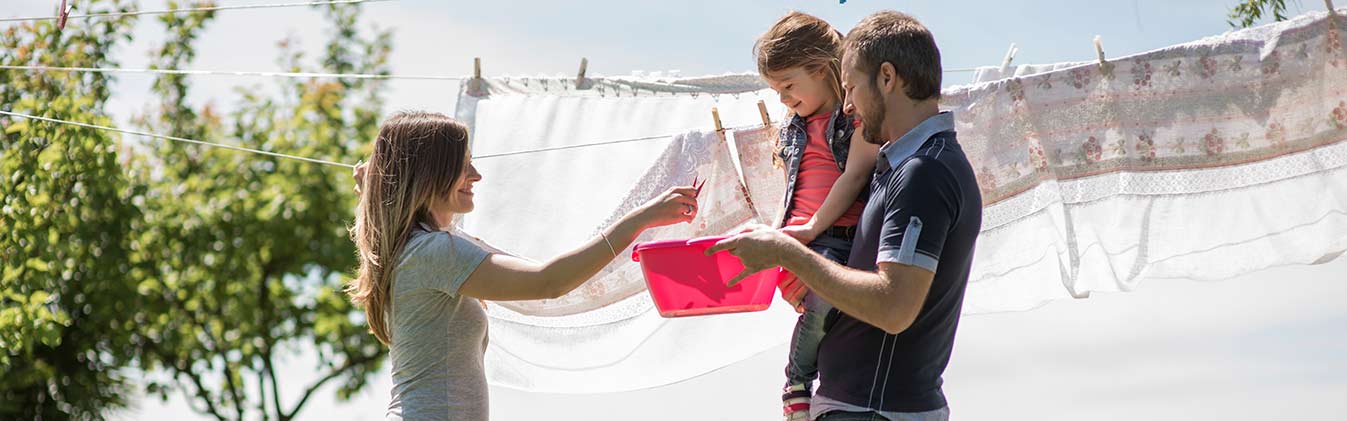


East Croydon garden maintenance tips from local gardeners
Posted on 11/10/2026
If you live in East Croydon, you already know the garden has to work a bit harder than people expect. Front spaces pick up city dust, back gardens can get patchy shade from neighbouring buildings, and a dry spell can turn a healthy lawn into something rather tired-looking by Friday afternoon. These East Croydon garden maintenance tips from local gardeners are written for that exact reality: practical, local, and focused on what actually keeps gardens looking cared for without becoming a second job.
Truth be told, most gardens do not fail because of one dramatic problem. They slip because small jobs get missed: a hedge that grows a little too far, weeds that seed before you notice, or a patio that gets slippery after a wet week. Below, you will find a clear, local guide to keeping things neat, healthy, and manageable, whether you do the work yourself or bring in help from a trusted team like garden maintenance in Croydon.
We will cover what matters most in East Croydon gardens, how maintenance works in practice, what to do season by season, and where professional support can save you time, money, and a bit of stress. No fluff. Just usable advice.

Why East Croydon garden maintenance tips from local gardeners matters
East Croydon gardens face a pretty mixed set of conditions. Some plots are compact and overlooked, some are windy, some are shaded by nearby trees or buildings, and many need to stay presentable with limited time. That combination makes regular garden care more valuable than one-off tidying.
Local gardeners tend to look at maintenance differently from a generic "do everything once a month" approach. They read the garden. They notice where water pools after rain, which fence line traps wind, and which side of the lawn is always thinner because the sun only visits for a few hours. That local awareness matters. It means maintenance is not just about making the space look tidy for today; it is about preventing avoidable problems later.
In East Croydon, where properties can be close together and outdoor space may be used for family time, entertaining, pets, or a bit of calm after work, maintenance also protects how the garden feels. A clean border and a trimmed hedge can make a small garden feel twice as usable. And yes, that counts.
It also matters financially. Regular upkeep usually reduces the need for bigger interventions later, such as restoring an overgrown area or replacing plants that have been crowded out. A little consistency goes a long way.
How East Croydon garden maintenance tips from local gardeners works
Good maintenance is not a single task; it is a simple system. Think of it as a rhythm rather than a rescue mission. Local gardeners usually break the work into recurring jobs that keep the garden steady through the year.
That rhythm typically includes:
- checking plant health and soil moisture
- cutting grass before it gets too long
- trimming hedges and shrubs before they become unwieldy
- removing weeds while they are still young
- clearing paths, borders, and patios so the space stays safe and usable
- reviewing any areas damaged by wind, cold, heat, or heavy rain
In a busy place like East Croydon, this often works best as a mixed approach. Some homeowners handle light weekly tasks themselves and then book professional help for heavier, seasonal, or specialised work. That is not a sign of failure. It is just sensible.
If the garden includes a lawn, you may also want a more focused plan through lawn care support in Croydon or lawn mowing services when the grass starts growing faster than your weekends can keep up with. Nobody needs a jungle by Tuesday.
A local maintenance routine also takes account of the layout. For example, narrow side returns collect moss and debris faster, while sheltered courtyards can trap damp and encourage algae. So the plan is adjusted to the space, not forced onto it. That is the key difference.
Key benefits and practical advantages
There are obvious benefits, like a tidier garden, but the real value goes further than that. Here is what regular maintenance genuinely gives you.
- Better plant health: Deadheading, pruning, feeding, and checking for pests helps plants recover and grow more evenly.
- Less emergency work: Small jobs stay small when they are handled promptly.
- Safer outdoor areas: Clear paths, stable steps, and clean patios reduce slips and trips.
- More usable space: A maintained garden feels inviting, so you actually spend time in it.
- Stronger kerb appeal: Neat hedges, edges, and lawns make a big visual difference.
- Lower long-term stress: A steady routine is easier than recovering from neglect.
There is also a less obvious benefit: confidence. When you know what is happening in the garden, you stop guessing. You notice what needs attention now and what can wait. That alone makes the whole thing feel more manageable.
For many East Croydon households, a well-maintained garden also supports other improvements. If you are planning to upgrade seating, add screening, or reshape the space, good upkeep gives those projects a better starting point. A tidy base helps everything else look intentional. For example, if you are considering a more structured outdoor layout, this guide on crafting inviting seating areas fits neatly alongside routine care.
Who this is for and when it makes sense
These tips are useful for almost anyone with a garden in East Croydon, but some people will feel the benefit more sharply.
Homeowners with limited time
If you work long hours or juggle family life, the garden can slip down the list very quickly. A maintenance plan keeps the place from drifting into a bigger mess. You do not need perfection; you need consistency.
Landlords and property managers
Outdoor areas can influence first impressions fast. Regular maintenance helps avoid avoidable complaints and keeps the property more presentable between tenants. A neat garden often says, "this place is looked after," before anyone opens the front door.
Older gardens that have started to overwhelm you
If the beds are full of self-seeded growth, the hedge is uneven, and the lawn feels like an afterthought, maintenance becomes recovery work first and routine work second. In that case, it may help to look at first steps to reviving overgrown greenery.
Families and pet owners
Busy outdoor spaces need different priorities. Pathway safety, non-toxic planting choices, and clear play areas matter just as much as appearance. If dogs use the garden, there are additional considerations around hard-wearing surfaces and planting choices; this article on dog-friendly landscapes is worth a look.
Anyone planning a bigger refresh
If you are thinking about landscaping, decking, fencing, or a full redesign, maintenance helps you see what is worth keeping and what is simply taking up space. It gives you cleaner decisions. If that is where you are heading, landscaping services in Croydon and decking services can be part of the longer-term picture.
Step-by-step guidance
Here is a practical way to keep an East Croydon garden under control without turning every weekend into a workday.
- Start with a quick survey. Walk the garden slowly. Look for overgrowth, weeds, broken edging, poor drainage, patchy lawn areas, and anything that feels unsafe or untidy.
- Tackle the visible mess first. Remove dead leaves, cut back obvious overgrowth, sweep patios, and clear rubbish. This gives you an instant reset and makes the rest of the work easier.
- Sort the lawn. Mow if needed, edge the borders, and avoid scalping grass too short, especially in dry weather. If the lawn is thin or compacted, a more deliberate care plan is better than one hard cut.
- Weed before they seed. This is one of those small jobs that pays back quickly. Get weeds out of borders, paving cracks, and gravel beds before they establish.
- Check hedges and shrubs. Light trimming keeps shape and prevents crowding. For more detailed shaping, it can help to follow the approach in hedge trimming shapes and techniques.
- Inspect trees and larger growth. Dead branches, leaning limbs, or canopies pressing too close to the house should be assessed carefully. Larger work is best left to experienced professionals, and when you are comparing options, this guide on what to look for in tree surgeon quotes is a sensible read.
- Refresh the soil. Add compost or organic matter to tired beds where needed. If you already make use of kitchen waste, you may enjoy turning kitchen scraps into fertile earth.
- Clean hard surfaces. Patios, paths, and steps should be swept and, where needed, washed to reduce algae and grime. A clean patio changes the whole feel of a garden. If yours is looking dull, patio cleaning in Croydon can make a surprisingly big difference.
- Finish with a simple maintenance plan. Decide what happens weekly, what happens monthly, and what waits for the season change. Write it down. Seriously. Otherwise it disappears into memory, which is a bit of a liar.
A good rule is to keep maintenance predictable. It does not need to be intense. It just needs to happen.
Expert tips for better results
Local gardeners often lean on a few habits that make all the difference.
Work with the garden's conditions, not against them
If one corner is shaded most of the day, choose plants that tolerate lower light rather than fighting to keep sun-loving species alive there. For ideas, take a look at shade-loving climbers for dim spaces. In the windiest spots, use planting and layout choices that reduce stress rather than adding more exposure. There is useful context in managing garden wind.
Prioritise the jobs that prevent bigger work
Deadheading, weeding, edging, and clearing debris may not sound glamorous, but these are the jobs that stop a garden from going downhill. If you only have an hour, do those first.
Keep hedges and screens neat
Hedges that are allowed to run wild can block light, crowd paths, and make small gardens feel smaller. If privacy is part of the reason you planted them, you may want to explore fast-growing hedges for privacy.
Be realistic about what you can do safely
Ladders, tall branches, awkward slopes, and heavy pruning are not worth an avoidable injury. A calm, sensible hand is usually better than a brave one. Let's face it, the garden does not care how confident you feel on a wobbly step.
Use maintenance to support future design
If you want the garden to feel calmer, tidier, or more modern, maintenance is often the cheapest first move. A clean border, repaired edge, and trimmed canopy can improve the whole composition before any new installation begins. For broader inspiration, a serene zen garden oasis is a useful design reference.
Do a small amount often
This is the big one. Ten minutes here, twenty minutes there. It sounds almost too simple, but it works. Gardens are much easier to live with when they are touched regularly.
Common mistakes to avoid
Most maintenance problems are not dramatic. They are habits that quietly add up.
- Cutting everything too short: Over-mowing or harsh pruning stresses plants and lawns.
- Ignoring the first weed flush: If weeds are left alone, they spread fast. That is just how they are, annoyingly.
- Leaving dead material in beds: Rotten leaves and debris can invite pests, disease, and a generally untidy look.
- Using the wrong plant in the wrong place: A sunny-border plant in a shaded, windy corner will always struggle.
- Forgetting drainage: Heavy clay areas or compacted patches may need attention beyond surface tidying.
- Putting off hedge work: Once a hedge becomes overlarge, maintenance takes longer and can reduce light more than expected.
- Cleaning only when it looks bad: Hard surfaces, like decks and patios, are easier to maintain if cleaned before build-up becomes stubborn.
Another common one: trying to do a full garden transformation in a single day. Ambitious? Yes. Sustainable? Not usually. Better to chip away at it properly.
Tools, resources and recommendations
You do not need a shed full of expensive kit to keep a garden tidy. A few reliable tools cover most jobs well.
- sharp secateurs for small pruning and deadheading
- a hand fork or hoe for weeding and soil work
- a decent mower, if you maintain lawned areas yourself
- a stiff brush and rake for clearing paths, beds, and borders
- gloves that actually fit
- a watering can or hose with sensible reach
- hedge trimmers for routine shaping, used carefully
For some gardens, specialist support makes more sense than investing in every tool. If the lawn needs proper attention, a more structured lawn care service can be helpful. If the whole space needs regular upkeep rather than one-off jobs, gardening services in Croydon provide a broader starting point.
And if your boundary lines or access points are becoming part of the maintenance headache, it may be time to review the structure around the garden too. A sound fence helps define space and reduce wear from neighbouring growth. For that, fencing services can be part of the longer-term fix.
Some gardens also benefit from smaller improvements around seating, surfaces, and layout. A clean deck or a more functional patio is easier to maintain than a tired, uneven one. If that sounds familiar, see decking services in Croydon.
Law, compliance, standards, or best practice
For most domestic gardens, the main issue is not formal regulation so much as good practice and neighbourly care. Still, a few things are worth bearing in mind.
If you are pruning or removing larger trees, safety matters. Heavy branches, unstable trunks, and work near property boundaries should be handled by someone who understands the risks and appropriate methods. You should also be cautious about overhanging growth, falling debris, and access issues. Tree work is one of those jobs where "I'll just have a go" can go wrong quickly.
Noise and timing are worth respecting too. Use powered tools at reasonable hours and be mindful of neighbours, especially on tightly packed East Croydon streets. It is not a legal lecture, just common sense and a bit of goodwill.
Waste removal should also be handled responsibly. Garden waste, cuttings, and soil should not be dumped casually or left to block pavements and shared access points. If you are doing a major clear-out, plan the disposal before you begin.
When in doubt, especially with trees, fencing boundaries, or large landscape changes, get informed advice first. That is usually cheaper than fixing a mistake later.
Options, methods, or comparison table
Different gardens need different approaches. Here is a simple comparison to help you decide what level of maintenance makes sense.
| Approach | Best for | Pros | Limitations |
|---|---|---|---|
| DIY weekly upkeep | Small to medium gardens with manageable growth | Low cost, flexible, hands-on control | Easy to fall behind if life gets busy |
| Monthly tidy-up with occasional DIY | Busy households that still want a presentable garden | Balanced effort, keeps main jobs under control | May not suit fast-growing or complex gardens |
| Professional maintenance package | Overgrown, high-use, or time-poor properties | Consistent standards, less stress, better long-term care | Higher ongoing spend than DIY |
| Project-based support | Gardens needing recovery or redesign | Useful for big jobs and one-off fixes | Does not replace routine care |
If you are unsure which route fits, ask yourself one simple question: do I need help keeping up, or do I need help catching up? The answer usually points you in the right direction.
Case study or real-world example
A typical East Croydon garden we often see is a narrow rear space with a small lawn, a hedge on one side, a paved area near the house, and a few tired borders. Nothing dramatic. Just a garden that has slowly slipped out of balance.
In practical terms, the recovery usually starts with a reset: clear the patio, cut the lawn, trim the hedge lightly, remove self-seeded growth, and open up the borders so the plants that remain can breathe. Often, the biggest change is not a new feature but the removal of clutter. Once the garden is visible again, you can tell what is healthy and what is just taking up space.
One homeowner might notice the lawn suddenly looks larger after the hedge is shaped properly. Another may realise the patio is usable again once algae and leaf build-up are removed. Small wins stack up. Quite quickly, actually.
In gardens like this, the next sensible step is usually not a full redesign. It is a steady routine. After the initial recovery, a maintenance visit every few weeks can keep the space stable. If the space still feels cramped, then a landscaping conversation becomes more worthwhile. That is the order that usually makes the most sense.
Practical checklist
Use this checklist to keep your East Croydon garden in decent shape through the year.
- Walk the garden and note problem areas
- Remove dead leaves, rubbish, and broken debris
- Mow the lawn before it gets too long
- Edge borders and tidy paths
- Weed beds, paving cracks, and gravel areas
- Trim hedges and shrubs lightly and regularly
- Check for damaged branches or unstable growth
- Water plants according to weather and soil conditions
- Add compost or mulch to tired beds where needed
- Clean patios, decking, and access routes
- Review fences, gates, and screening for wear
- Plan the next maintenance visit before the garden drifts again
Expert summary: the best garden maintenance is steady, local, and realistic. Keep the routine simple, work with the site conditions, and deal with small issues before they become expensive ones. That is the whole game, really.
Conclusion
East Croydon gardens do not need perfection. They need regular attention, a bit of local judgement, and a maintenance rhythm that suits real life. When you keep on top of the basics, the garden becomes easier to enjoy, easier to use, and far easier to improve later if you decide to go bigger.
Local gardeners understand that a good maintenance plan is part practical care and part problem prevention. Mow before it gets shaggy, trim before things crowd each other, clean before surfaces become slippery, and always pay attention to what the space is telling you. That is how a garden stays calm instead of chaotic.
If you are ready to bring order back to an overgrown patch or simply want a more manageable routine, a professional service can take the pressure off and help you stay on track.
Get a free quote today and see how much you can save.
Whatever you choose, keep it steady, keep it simple, and let the garden reward you over time. It usually does.

Harnessing her expertise in gardening, Lindsay can craft informative articles on landscaping, lawn care, and garden maintenance, aiding a multitude of individuals in enjoying the garden they've been longing to cultivate.